Yeah, so anyone who got here from my writing knows darn well I fantasize about being the actual fox whisperer. I guess making the hooded shawl pattern by the same name will have to do, though.
Here’s The Fox Whisperer, by Judy Jewell. She’s a new to me designer, and I found her because . . . why yes, I did just type “fox” into Ravelry‘s pattern search just to see what came up. Honestly, their database just tickles the techie in me. SO MANY search parameters. Sure, you can search for random fox patterns, but you can also search by yarn, yarn weight, yardage/meterage, pattern type, desired gauge, and dozens of other things. I only got about a year into a programming degree as a wee 20-something, but Cassidy of Ravelry is 20-something me’s programming hero. Whenever someone asks what a database is good for, Ravelry is the answer.
Anyway, The Fox Whisperer. The sample is knit in a lopi unspun yarn, and it’s the recommended yarn as well. All my years knitting, this is actually the first time I’ve worked with a lopi yarn. I got mine at The Icelandic Store, frankly because I’m a little cheap, and even with insanely expensive international shipping, it’s cheaper than you can get it from anywhere here in the US.
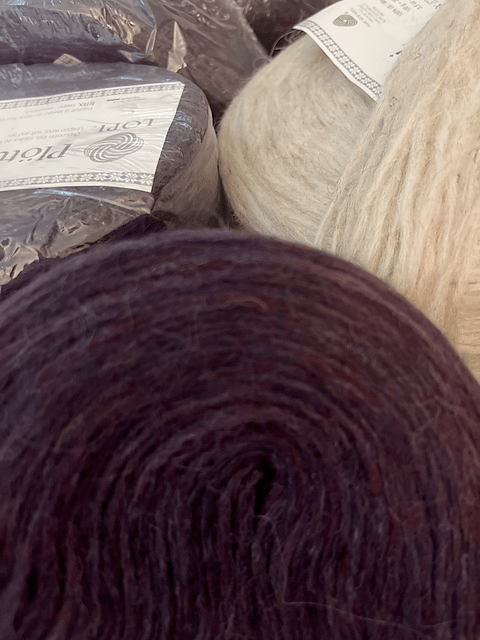
Now, the designer used a lighter yarn held double, but since I went with ístex’s Plötulopi, I only held a single strand the whole time.
About the yarn: It comes in what the designer calls plates, and I think that’s a fair description. They’re flat-ish and round, basically discs of yarn. They’re also just what the name says: unspun. This isn’t a singles yarn, or twisted tight like those lovely bouncy plied yarns most of us are used to. It’s just wool fibers held loosely together by the friction created by wool’s scaly nature. If you tug on the end of this yarn, it’ll come apart in your hands. This effect is so strong that there’s a note on the maker’s website that suggests knitting continental style to avoid extra tugging that can make the yarn come apart.
So I’ll just come out and say it. This is not my favorite yarn to work with. I knit semi-English (most people I’ve seen talk about it call the style I use “flicking”), and while I don’t tension tight enough that I had a problem with it coming apart much while I was working, a few times when I set the project down and came back to it, just the act of picking up the shawl made the yarn break. There’s a note in the pattern that says when wet, the shawl is incredibly delicate, and will fall apart, so to be very careful with it. This is not hard to imagine being true. While it’s pretty hardy all knit up together, wet wool is more delicate than dry, and this unspun stuff is like air.
I’m not saying I dislike it, or not to knit with it—it definitely has its place, and I think it’ll make incredible colorwork. In fact, I’ve got my eye on, and the yarn for, Into the Wild by Tania Barley. Mostly, I’m just saying it’s never going to be my very favorite yarn. For anyone sensitive to this issue, it’s also definitely a rustic wool, and people who don’t like the idea of wool probably couldn’t wear it next to their skin. FWIW, I used to be one of those people, and once I fell in love with wool, my tolerance for “itchiness” increased quite a lot. If that’s you, maybe start with a nice cushy superwash merino and work your way up from there.
The pattern was great, and written in a lovely conversational style, so I’ll definitely be considering future patterns by the designer. I left off the picot edging because I don’t much like picots, and didn’t decrease the hood because I prefer a deep hood, but those were simple changes, nothing that changed the essential pattern, which was quite simple.
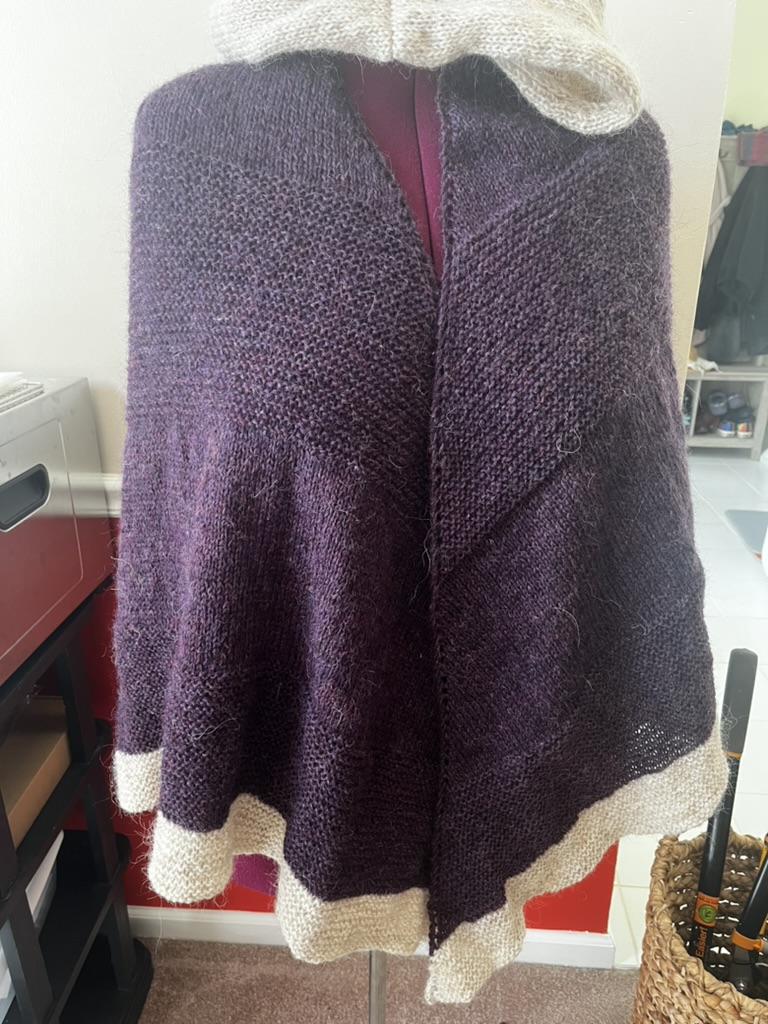
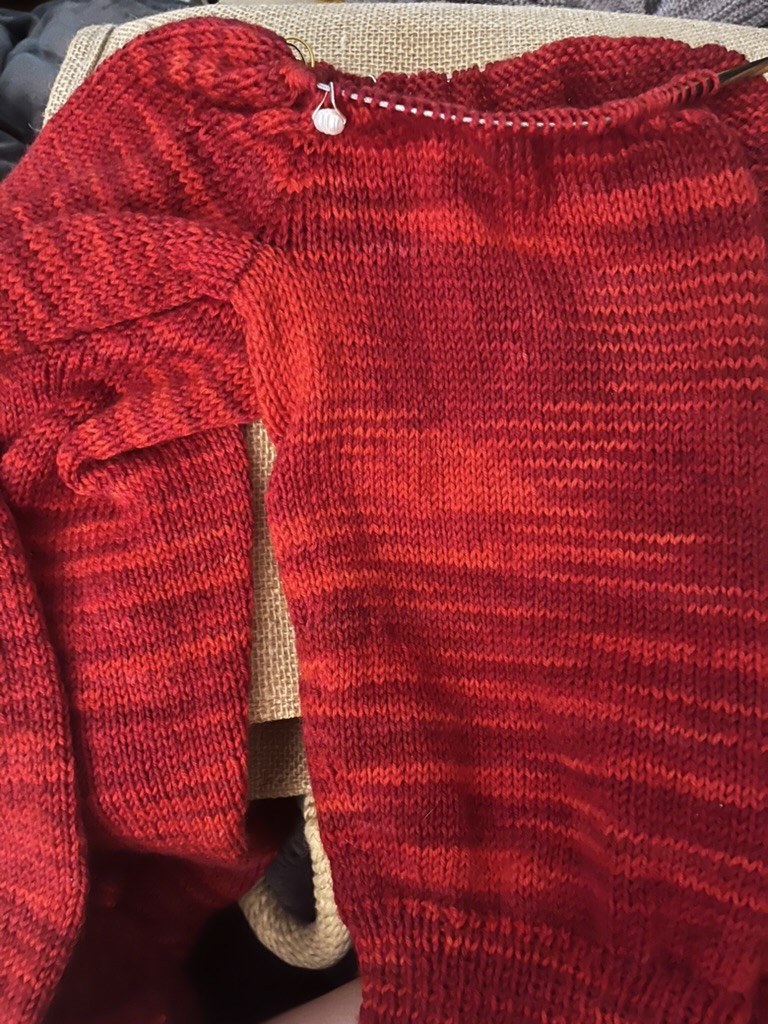
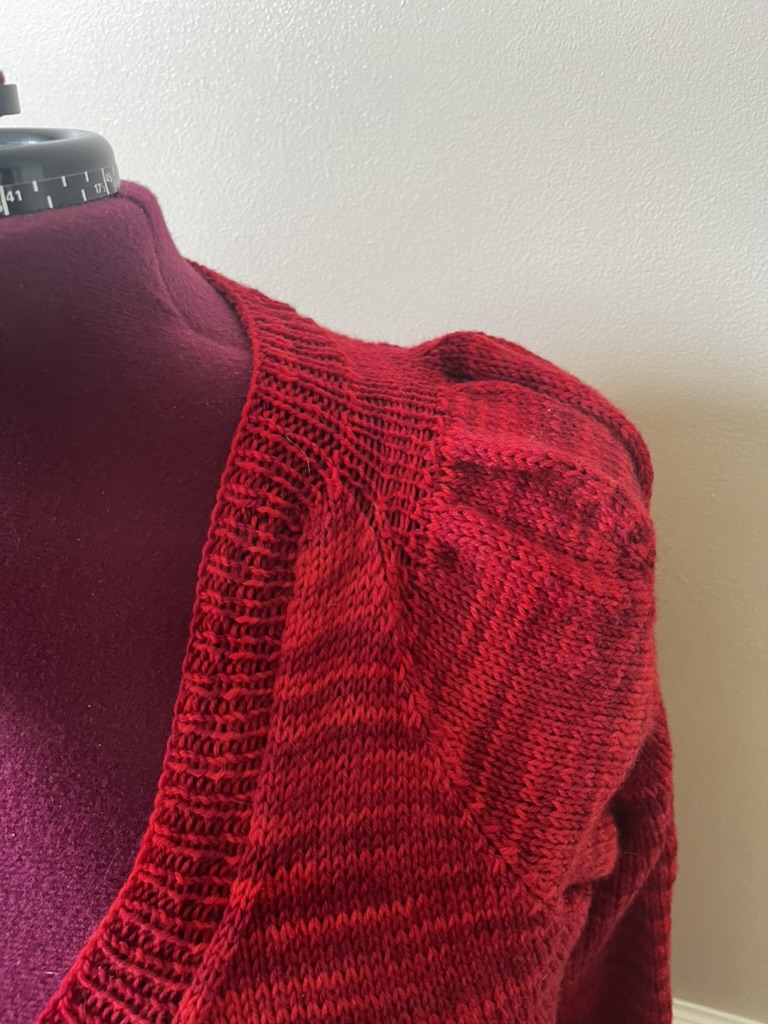
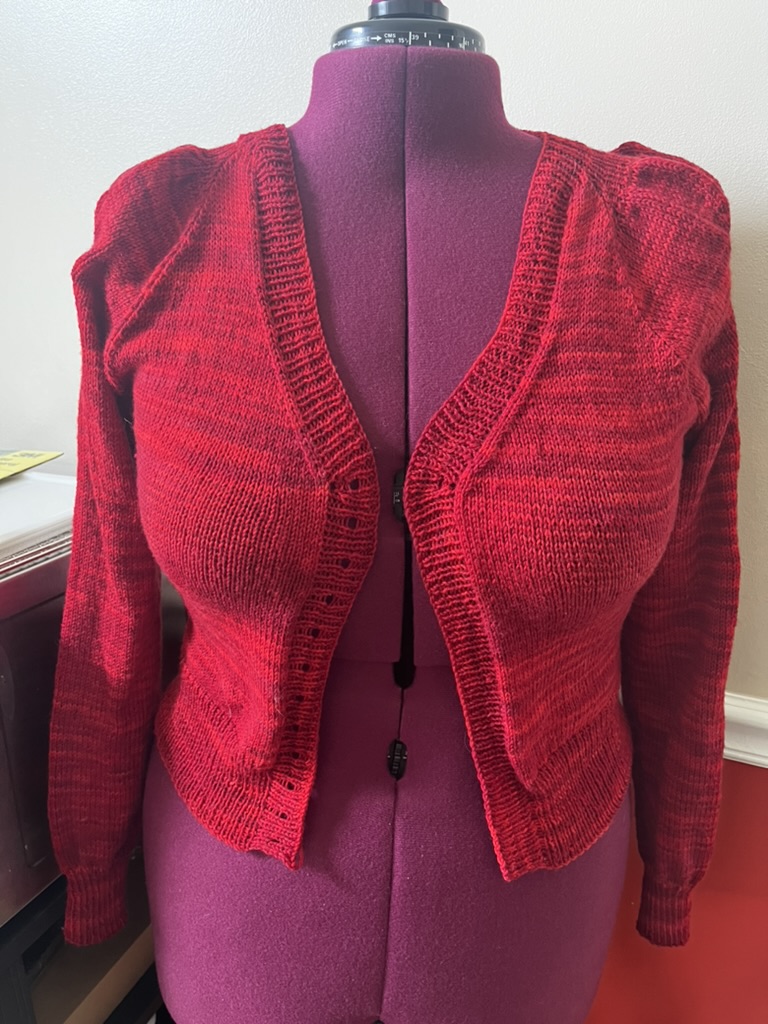
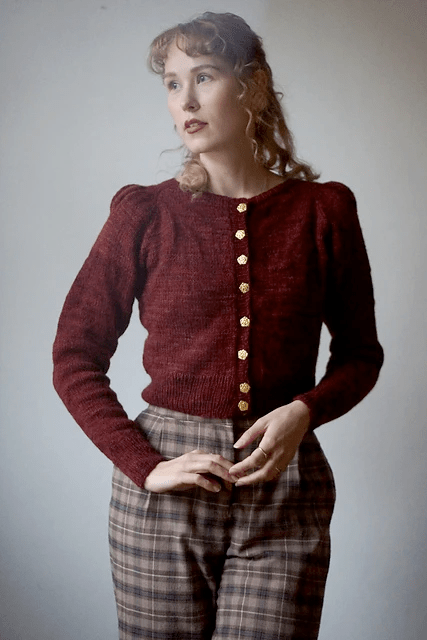
It’ll be hard to believe for anyone looking at the projects side by side, but this project used about the same amount of yardage as the Minerva Cardigan. How? This was knit on a size 9 US needle, and Minerva was a size 5, with much thinner yarn. I haven’t worked up the courage to block it yet because of the dire threats that it’ll fall apart, but I’ll get there. Probably.
 Knitting Over the Rainbow